
Selling an Inherited Property in Central Florida
If you need to sell an inherited property in Central Florida, start with the people, paperwork, and ongoing bills involved. This guide walks you through the decisions to make before you sell and how to compare an as-is offer with listing the house.
Submit your inherited property information for a no-obligation offer review.
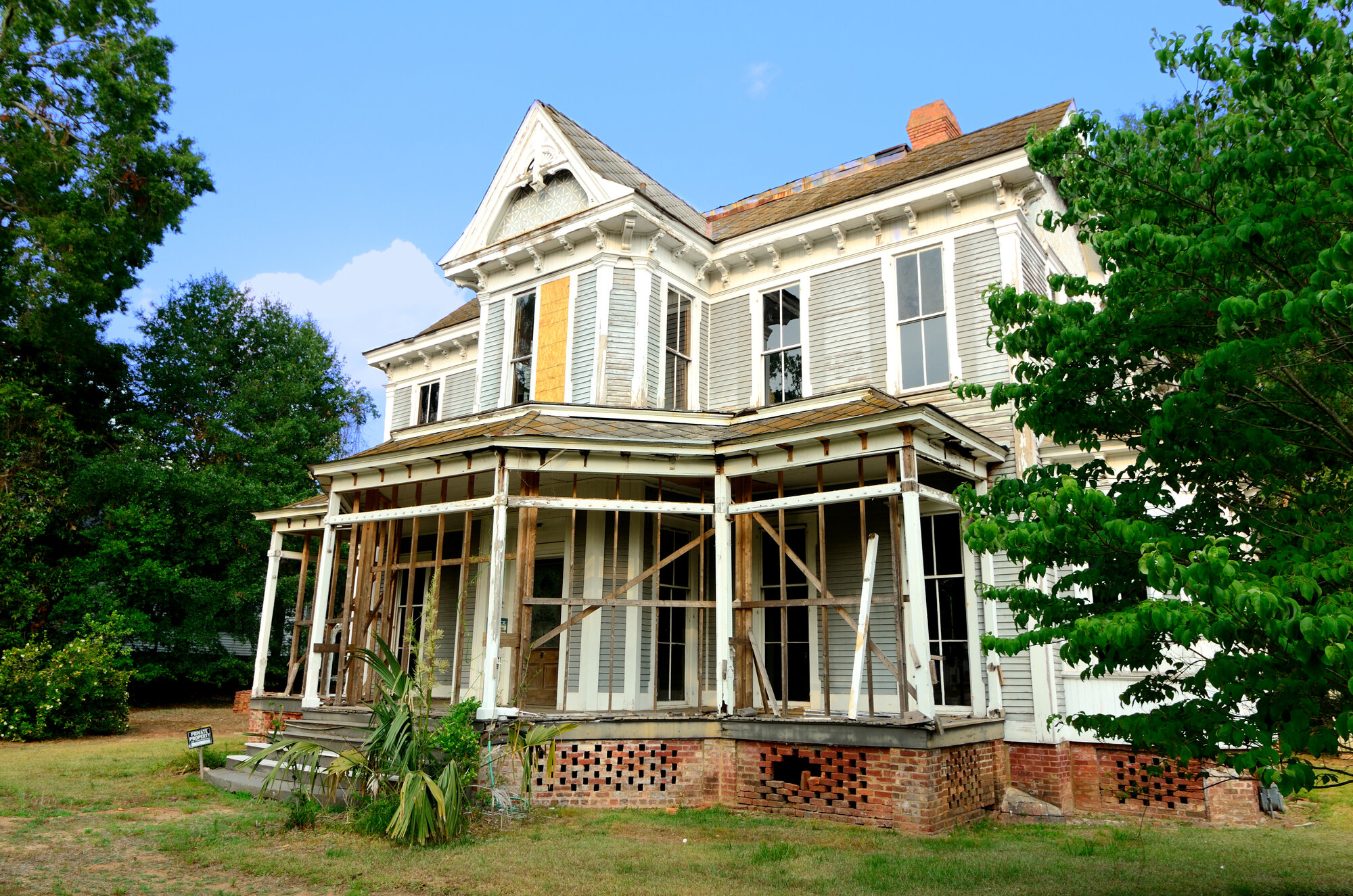
An inherited property can leave you managing family decisions alongside a property that still needs attention. Maybe your siblings live in different states, the house needs a roof, or no one is sure when the last mortgage payment cleared. Start by finding out who can make decisions about the property, what it costs to keep the inherited property, and how much work it would take to prepare it for sale. Then compare a direct as-is offer, an as-is listing, and a listing after repairs using the same assumptions.
What to do before selling an inherited property
Start with the inherited property address and the county where the home sits. If the home is in Apopka or Orlando, check which county serves the address before looking up records or permits. Gather any paperwork the family already has, and put questions about ownership, probate, and who can sign in one place. Ask a Florida probate attorney or the title company to review the situation before anyone promises a closing date. If you need to find someone local, use The Florida Bar Lawyer Referral Service.

Confirm who can make decisions about the inherited property
Gather the deed, any will or trust paperwork you can locate, and contact details for the people handling the estate. Give the attorney or title company the whole picture, including whether anyone is living in the house and whether family members disagree about selling. Ask who can authorize access, sign an agreement, and sign at closing, and write down what still needs confirmation.
If nobody can locate a will, start with the facts you can document. Record the property address, the names on the available deed, who has keys, and whether anyone has already contacted an attorney. Keep original paperwork together and ask the attorney which records to bring. One family contact can coordinate updates while the right people confirm what happens next.

Managing an inherited property from out of town
Ask a trusted local contact for dated photos of each room, the exterior, and any visible damage. Have them note who has keys, whether utilities are on, and whether the house is occupied. Before making travel plans, ask the closing team how document delivery and signing would work in your situation. Pick one shared folder for photos and invoices so relatives can review the same information without scheduling multiple trips.

Calculate the cost of keeping an inherited property
Start with mortgage payments, property taxes, insurance, utilities, lawn service, and any HOA dues. Check for urgent repairs and ask your insurer how vacancy affects your policy. For example, at $900 per month in carrying costs, holding the home for four more months adds $3,600 before cleanup or repairs. Use your own numbers to compare how much extra a higher sale price would need to cover.

Separate personal belongings from sale preparation
Agree on a date for relatives to identify items they want to keep. Photograph and set aside documents, valuables, and sentimental items before arranging hauling or donations. Get a cleanout quote if you are considering a listing. If you prefer to sell as-is, ask each buyer which items can stay and get that agreement in writing. If someone is living in the home, coordinate access with the people involved before scheduling any walkthroughs.
Compare an as-is offer for your Central Florida property
Use the property form to share the address and tell Fast Offers Florida about the current condition, occupancy, and your preferred timeline. A direct offer gives the family a concrete number to compare with a listing estimate and the cost of holding the house.
When family members have different plans
One heir may want to close quickly, while another wants to wait for a better price or keep the property in the family. Start with a shared picture of the property and the likely costs of each option. Ask the attorney or closing professional to confirm who needs to approve a sale for this inherited property.
Put each option on the same worksheet
List the expected price, repair or cleanout costs, ongoing bills, estimated selling expenses, and expected time to close. Set aside a column for figures that are still estimates. If a relative wants to keep the house, ask how they plan to handle ongoing expenses and whether they have explored the practical steps with the estate’s advisers.
Agree on the next decision and a date
Pick one action each person can take before the next conversation. One person can request a payoff figure, another can gather photos, and another can get a listing opinion. Use a shared update so that relatives see the same figures and the same deadlines. If there is an unresolved title or family dispute, ask the attorney which decisions can move ahead while it is being addressed.
Compare three ways to sell an inherited house in Florida
If you plan to sell an inherited property in Florida, you can list it in its current condition, make targeted repairs first, or sell directly. Compare the amount the estate expects to receive, the money it needs to spend before closing, and how much work the family is willing to take on. Ask each buyer or agent to put the assumptions behind their estimate in writing.
Option 1. Sell directly as-is
A direct sale may suit a family that cannot oversee repairs or cleanout from another state. Ask what the buyer needs to inspect, which belongings can remain, who pays each closing cost, and when the buyer can close. Compare written terms, including inspection deadlines and cancellation rights, alongside the price.

Option 2. List the inherited property as-is
Listing an inherited property as-is lets the family see what buyers will offer on the open market. Ask a local agent for recent sales of homes in similar condition in the same area. Discuss showing access, whether the home needs basic cleanup, and how inspection requests or buyer financing might affect the time to close.

Option 3. Make targeted repairs before listing
Get an estimate for repairs before committing estate funds. Ask the agent which improvements are likely to affect the result for this inherited property. In Central Florida, roof age, known water damage, and the condition of the air conditioning are good starting points for the conversation. Put the estimated selling price and the cost of completing the work on the same worksheet.

Use the estimated proceeds to compare offers
Ask the closing team for an estimate that shows the offer price and the expenses expected to come out at closing. Set that beside the money you would spend before closing, such as hauling, repairs, and carrying the property. Share the documents with the family and ask a tax professional which sale and valuation records to keep.
Related Articles
What to gather before requesting an inherited property offer
Start with the address, current occupancy, recent photos, and any known repairs. Note who can provide access and when. If the home has an HOA or condo association, find the most recent statement and the association contact. If there are existing loans, recent statements can help the closing team identify what to check.
Keep estate and ownership paperwork available for the attorney or title company. For an initial property inquiry, use the property address and a short description of the situation. Share sensitive documents directly with the professionals handling the file through their preferred secure process.
Selling an inherited property as-is in Central Florida
Suppose two siblings inherit a vacant Apopka house. One lives nearby and the other is out of state. The family wants to keep a few pieces of furniture, the roof needs attention, and nobody wants to supervise a renovation. They can gather photos, get one cleanout estimate, request a local listing opinion, and compare both against a direct offer with the closing costs and move-out terms spelled out.
The same process works for a house in Orlando or an inherited property elsewhere in Central Florida. Start with the condition, access, and timing questions you can answer today. Then use comparable written numbers to decide how much preparation makes sense before you sell.
Questions to ask before choosing a buyer
Ask how the buyer evaluated the house and what information could change the offer. For an inherited property that has been vacant, that might include access to the roof, evidence of a past leak, or a walkthrough after the family removes belongings. Ask when inspections end, whether the buyer will revisit the price after an inspection, and what happens if the property needs more time to be ready for closing.
Ask the buyer to confirm who will attend the walkthrough and who will communicate with the title company. If relatives have different schedules, decide which person will receive updates and share them with everyone. A written timeline helps you plan a final trip, arrange a pickup for donated items, and separate chores you need to finish from those the buyer has agreed to handle.
Before deciding, take a final pass through the comparison. If the house is vacant, include the time and expense of keeping it secure until closing. If you have a listing estimate and a written direct offer, compare both using the same closing date assumptions and make a note of which expenses each side has agreed to pay. This makes it easier to explain the decision to people who cannot see the property themselves.
Get an As-Is Offer for Your Inherited Property
Share the property address in the form. Let Fast Offers Florida know whether the home is occupied, what repairs you know about, and whether the family is still deciding on a timeline. We can discuss an as-is offer so you have another option to compare.