
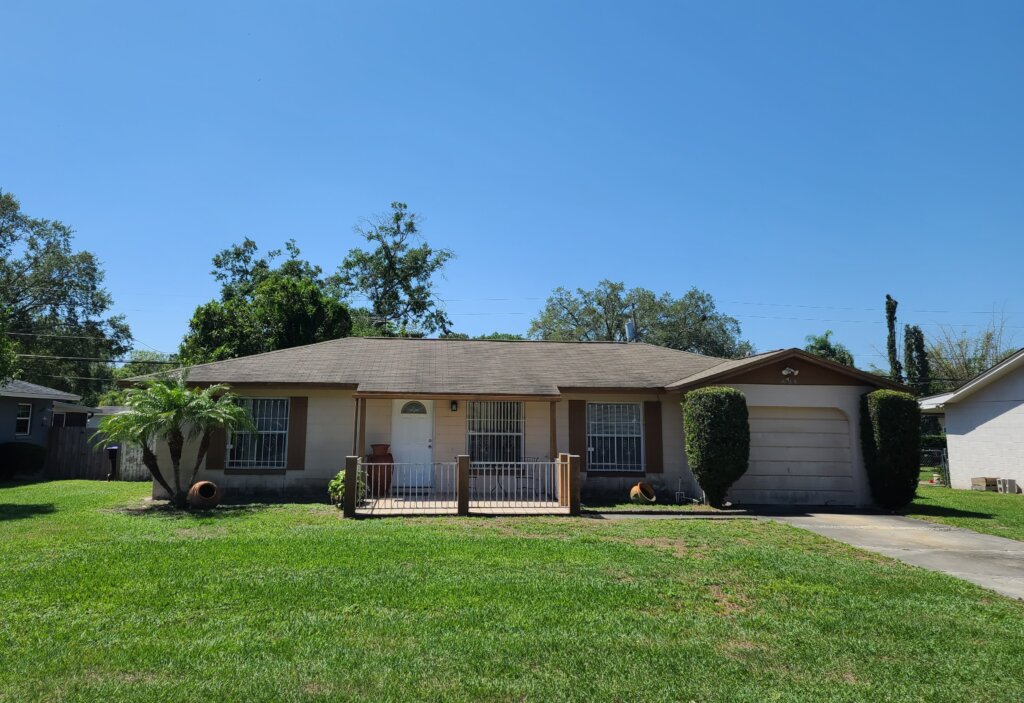
Can I sell my house in foreclosure in Orlando?
Can I Sell My House in Foreclosure in Orlando?
Yes, in many situations, you can sell a house while it is in foreclosure in Orlando, Florida. The key is understanding where you are in the foreclosure process and taking action before the foreclosure sale is completed.
Falling behind on mortgage payments does not necessarily mean you immediately lose your home. Foreclosure is a legal process, and homeowners may still have options depending on their circumstances, the amount owed, and how far the case has progressed.
Homeowners can fall behind on mortgage payments for many reasons, including:
- Job loss or a reduction in income
- Divorce, separation, or the death of a spouse or partner
- Medical bills or other unexpected debt
- Relocation while still owning the property
- Major home repairs or unexpected expenses
- Hurricanes, storms, or other events that create financial hardship
Can I Sell My House in Foreclosure in Orlando? If you’re facing foreclosure, one possible option is selling the property before the foreclosure process reaches its final stages. A traditional sale may work when there is enough time and the property is market-ready. If the house needs repairs, time is limited, or you would rather avoid preparing the property for the market, an as-is sale may also be worth considering.
Investment Capital Home Buyers works with homeowners throughout Orlando and Central Florida who are exploring alternatives to a traditional home sale. We buy properties as-is, which means you don’t have to make repairs, renovate the property, or prepare it for repeated showings before asking us for an offer.
If you’re asking, “Can I sell my house in foreclosure in Orlando?” the answer may be yes—but timing matters. Before deciding what to do, it is important to understand where you are in the foreclosure process, what you currently owe, and which selling options are still available to you.
What Is Foreclosure?
Foreclosure is the legal process a mortgage lender can use to recover a property when a homeowner falls behind on their mortgage and the default is not resolved. In Florida, foreclosure generally happens through the court system, meaning the lender must file a lawsuit and follow the state’s judicial foreclosure process before the property can ultimately be sold at a foreclosure sale.
Receiving foreclosure paperwork does not necessarily mean you have already lost your home. Depending on how far the process has progressed, you may still have time to explore options such as working with your lender, catching up on missed payments, seeking professional legal or financial guidance, or selling the property before the foreclosure sale.
For Orlando homeowners considering a sale, timing is especially important. The earlier you understand your situation and available options, the more flexibility you may have to decide what makes sense for you.
How Long Do You Have to Vacate Your House After Foreclosure in Florida?
There is no single number of days that applies to every Florida homeowner. A foreclosure does not mean you have to leave your home immediately after missing a mortgage payment or receiving the first foreclosure notice. Florida uses a judicial foreclosure process, meaning the lender generally must proceed through the court system before the property can be sold.
If the lender obtains a final judgment of foreclosure, the court will set a date for the foreclosure sale. Under Florida law, that sale is generally scheduled at least 20 days but no more than 35 days after the final judgment, although the sale can occur later in certain circumstances.
After the foreclosure sale and the transfer of title, the new owner may take legal steps to obtain possession of the property. Because the exact timing can depend on the court case and what happens after the sale, homeowners should not rely on a general estimate for when they will have to leave.
If you are considering selling your Orlando home before foreclosure is completed, acting earlier generally gives you more time to understand your mortgage payoff, determine whether there is equity in the property, and explore your available options.
The Different Types of Foreclosure
Foreclosure procedures vary from state to state. Some states allow both judicial and nonjudicial foreclosure, but Florida is a judicial foreclosure state. This means a mortgage lender generally must file a foreclosure action in court and follow Florida’s legal process before a mortgaged property can be sold through foreclosure.
For Orlando homeowners, understanding the judicial foreclosure process is the most relevant part, so we’ll focus on how that process works in Florida.
What Is Non-Judicial Foreclosure?
Non-judicial foreclosure is the quickest and most cost-effective method for a lender to foreclose on your property in FL. This process doesn’t involve taking you, the homeowner, to court and is carried out in accordance with state statutes. In a non-judicial foreclosure, your lender repossesses your home to sell it and recover the outstanding debt, utilizing a “power-of-sale” clause outlined in the deed of trust. While not available in every state, if permitted, lenders typically opt for this route to avoid court-related expenses.
What Is Judicial Foreclosure?
Judicial foreclosure means the lender must use the court system to foreclose on a mortgaged property. In Florida, the lender generally begins the process by filing a foreclosure lawsuit. The homeowner is then formally notified of the case and has an opportunity to respond and raise any applicable defenses. If the foreclosure proceeds and the lender obtains a final judgment, the court can order the property to be sold at a foreclosure sale.
If the foreclosure sale does not generate enough money to satisfy the amount owed, there may be a remaining balance known as a deficiency. Under Florida law, however, a deficiency judgment is not necessarily automatic. Whether one is entered can depend on the circumstances and the court’s determination, and Florida law places additional limits on deficiencies involving certain owner-occupied residential properties.
For an Orlando homeowner facing judicial foreclosure, the important point is that the process happens in stages. Receiving a foreclosure lawsuit does not mean the foreclosure sale has already occurred, which is why understanding your options as early as possible can be important.
How to Sell Your House Before Foreclosure in Florida
If you’re facing foreclosure in Orlando, selling the property before the foreclosure sale may be one option to consider. The first step is understanding where you are in the foreclosure process, how much you currently owe on the property, and how much time may be available to complete a sale.
If the home is worth more than the total amount needed to pay off the mortgage and other obligations tied to the property, a sale may allow you to satisfy those debts and potentially keep any remaining proceeds. If you owe more than the property is worth, other options—such as discussing a short sale with your lender—may need to be considered.
How you sell will depend largely on your circumstances and timeline. Some homeowners may have enough time to list traditionally with a real estate agent, while others may prefer an as-is cash sale when the property needs repairs, they want to avoid showings, or time is an important factor.
Investment Capital Home Buyers purchases houses as-is throughout Orlando and Central Florida. If selling directly makes sense for your situation, we can evaluate the property and provide a cash offer without requiring you to make repairs or prepare the house for the traditional market.
Hire a Real Estate Agent
If you have enough time before the foreclosure sale and your home is in marketable condition, listing with a local real estate agent may be a good option. An agent can help determine an appropriate asking price, market the property, coordinate showings, negotiate with buyers, and guide the transaction toward closing.
A traditional sale may also give you an opportunity to maximize the property’s market value. However, you’ll need to consider the time required to prepare and market the home, find a qualified buyer, complete inspections and any requested repairs, and make it through the buyer’s financing and closing process. Agent compensation and other selling costs should also be factored into the amount you expect to receive from the sale.
When foreclosure is already underway, timing becomes especially important. Before listing, make sure your agent understands that the property is in foreclosure and knows about any upcoming deadlines or scheduled foreclosure sale. The goal isn’t simply to find a buyer—the transaction needs to close in enough time to address the foreclosure.
Short Sale
If you owe more on your mortgage than your home is currently worth, a short sale may be an option. In a short sale, the property is sold for less than the total amount owed on the mortgage, but the lender must agree to accept the sale and approve the transaction.
For example, if your total mortgage payoff is $200,000 but the home can realistically sell for only $175,000, there may not be enough proceeds from a traditional sale to fully satisfy the loan. In that situation, you can contact your mortgage servicer to determine whether a short sale or another loss-mitigation option may be available.
Short sales generally require more lender involvement than a standard home sale. Your lender may request financial information and documentation about your circumstances, and the proposed purchase offer typically must be reviewed and approved before the transaction can move forward. If there are additional mortgages, liens, or other claims against the property, those can make the process more complicated.
If foreclosure proceedings have already started, timing is especially important. A homeowner considering a short sale should communicate with the mortgage servicer as early as possible and understand that pursuing a short sale does not automatically stop an existing foreclosure case or guarantee that the lender will approve the sale.
Sell Your House As-Is to a Cash Buyer
If you need to sell your Orlando home quickly or the property needs repairs, selling directly to a cash home buyer may be another option to consider. Unlike a traditional listing, a direct sale can eliminate many of the steps involved with preparing a property for the market and waiting for a financed buyer.
Investment Capital Home Buyers purchases houses throughout Orlando and Central Florida in as-is condition. Depending on the property and your situation, selling directly to us may offer several advantages:
- Sell the House As-Is: You don’t need to renovate the property or make repairs before requesting an offer.
- No Traditional Listing or Showings: You can avoid preparing the house for the MLS, scheduling open houses, and having multiple buyers walk through the property.
- No Real Estate Agent Commission When Selling Directly to Us: Because you’re selling directly to Investment Capital Home Buyers rather than listing the property through us, there is no real estate agent commission charged by us.
- Flexible Closing Timeline: A cash purchase does not depend on traditional buyer mortgage financing, which can provide greater flexibility when determining a closing date.
If your property is already in foreclosure, we will need to understand your timeline and obtain accurate information about what is owed before determining whether a sale can realistically be completed in time. Selling the property does not automatically stop a foreclosure case, so homeowners facing an upcoming foreclosure sale should act promptly and continue communicating with their mortgage servicer and any legal or financial professionals assisting them.
A direct cash sale will not be the best choice for every homeowner. If you have plenty of time and your primary goal is obtaining the highest possible market price, listing the property may make more sense. But if speed, convenience, the property’s condition, or avoiding a traditional listing are important to you, an as-is cash offer can give you another option to compare.
Can You Stop Foreclosure Once It Starts?
In some situations, a foreclosure may be stopped, delayed, or otherwise resolved after the process has started. What options are available depends on factors such as how far the foreclosure case has progressed, the amount owed, your financial circumstances, and whether a foreclosure sale has already been scheduled.
The important thing is to act as early as possible. Ignoring notices from your mortgage servicer or court documents generally reduces the amount of time available to explore potential solutions.
Bring the Mortgage Current or Work With Your Servicer
One possible way to resolve a foreclosure is to bring the mortgage current by paying the amount required by the lender or servicer. Depending on your circumstances and the loan, your mortgage servicer may also have loss-mitigation options available, such as a repayment plan, forbearance, or loan modification.
If you’re behind on payments, contact your mortgage servicer directly and ask what options are currently available and what deadlines apply to your account. Keep copies of correspondence and any documents you submit.
Sell the Property Before the Foreclosure Sale
If there is enough time and the numbers work, selling the property may also resolve the mortgage debt before the foreclosure sale occurs. Whether a traditional listing, short sale, or direct as-is sale makes sense will depend on the property’s value, what is owed, and your timeline.
Because a pending sale does not automatically guarantee that a foreclosure proceeding will stop, homeowners should continue communicating with their mortgage servicer throughout the process.
Consider Bankruptcy Only With Qualified Legal Advice
Filing for bankruptcy can trigger an automatic stay, which generally pauses many collection activities and may temporarily stop a scheduled foreclosure. However, bankruptcy does not automatically eliminate a mortgage, permanently stop foreclosure, or allow every homeowner to keep their property.
Bankruptcy is a significant legal and financial decision, and different types of bankruptcy can have very different consequences. If you’re considering this option, speak with a qualified bankruptcy attorney who can evaluate your specific circumstances before you make a decision.
The Homeowner Affordability and Stability Plan (HASP)
When faced with a situation where your debt surpasses your income, exploring solutions such as the Homeowner Affordability & Stability Plan (HASP) becomes a viable option. HASP is a specialized program designed for borrowers at risk of foreclosure due to insufficient income, aiming to provide targeted assistance for homeowners in the United States. This government initiative focuses on helping individuals restructure their monthly mortgage payments to align with a constrained budget.
Related Articles
5 Ways the Foreclosure of Your Orlando House Will Impact You in the Future
What Homeowners in Orlando Can Expect During the Foreclosure Process
The Difference Between Pre-Foreclosure and Foreclosure for Homeowners in Orlando
How to Sell Your House During Bankruptcy in Orlando
Stopping the Foreclosure Process: A Guide for Orlando Homeowners
What Rising Foreclosure Rates Mean for Home Buyers and Sellers in Orlando
Avoiding Foreclosure: How Orlando Direct Property Buyers Can Help You Keep Your Credit Score Intact
How to Sell Your House in Orlando if You Owe More Than It’s Worth
4 Things to do if You Are Upside-Down on Your Mortgage in Orlando
Traditional Sales vs. Short Sales And Foreclosures in Orlando

Facing Foreclosure in Orlando? Explore Your Options
If you’re facing foreclosure in Orlando or Central Florida and considering selling your property, the most important thing is understanding your situation and acting before your available options become more limited.
Selling isn’t necessarily the right solution for every homeowner. Depending on your circumstances, working with your mortgage servicer, pursuing loss-mitigation options, listing with a real estate agent, considering a short sale, or speaking with a qualified legal or financial professional may make more sense.
If selling the property as-is for cash is an option you’d like to explore, Investment Capital Home Buyers can evaluate your property and provide a no-obligation cash offer. You won’t need to make repairs, renovate the house, or prepare it for traditional showings before requesting an offer.
Tell Us About Your Property
Use the form below to share some basic information about your property and situation. We’ll review what you provide and determine whether purchasing the property may be a good fit.
There is no obligation to accept an offer. Our goal is to give you another option you can evaluate alongside the other solutions available to you.
Prefer to talk with us directly? Call Investment Capital Home Buyers at 407-604-1054.